- Beyond the Password
- Posts
- Why Smart Leaders Buy What They Once Built
Why Smart Leaders Buy What They Once Built
I've realized that technology democratization doesn't diminish opportunity. It expands it for those willing to compete on execution rather than exclusivity.

Steve Tran
April 04, 2025
I used to believe that revolutionary technology would forever remain in the hands of giants with deep pockets. Then I watched Netflix streaming transform from an exclusive marvel to something anyone could implement.
This realization fundamentally changed how I approach business decisions. The transformation wasn't just about technology. It was about opportunity.
The Moment Everything Changed
Remember when Netflix streaming felt like magic? In 2007, they introduced technology that delivered high-quality video over unstable internet connections. It seemed impossible to replicate without millions in R&D budget.
But technology doesn't remain exclusive for long. I watched with fascination as one proprietary system after another became accessible to everyone.
Today, companies like AWS Elemental MediaLive, Brightcove, and Wowza don't just offer comparable technology. They package it as affordable services anyone can use.
What was once Netflix's competitive moat has become a bridge for newcomers to cross.
A Humbling Experience at Fox
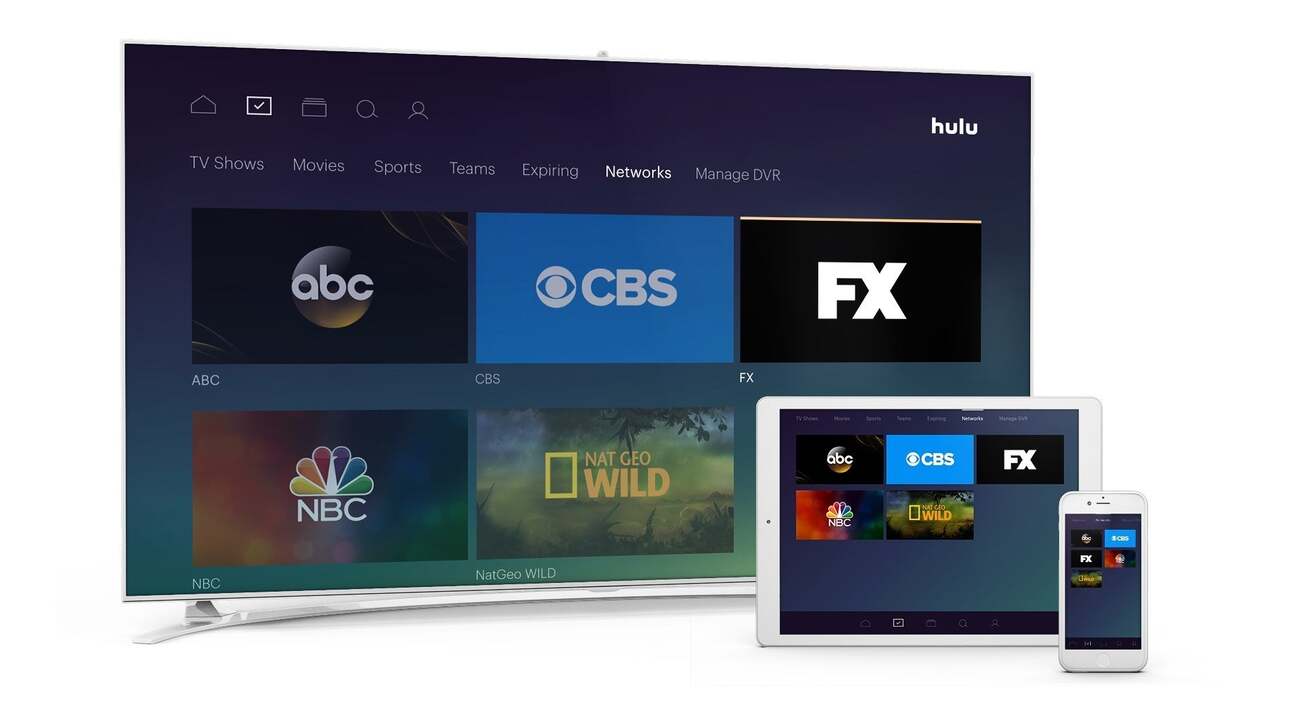
Ten years ago at Fox, I was fortunate to be an engineer working alongside brilliant colleagues. Together, we built a software-defined data center when such technology was still uncommon. Our collaborative efforts helped develop the first live TV feeds to Hulu and YouTube TV during their beta stages.
The innovations required our collective expertise and shared knowledge. What strikes me now is how the technology we all worked so hard to create as a team has become readily available through turnkey solutions.
This humbling experience showed me firsthand how quickly proprietary advantage becomes commoditized opportunity.
Hallmark's Story Proves The Point
Hallmark's recent partnership with Accedo to launch Hallmark+ crystallized this shift for me. Ten years ago, Hallmark would have needed to build streaming infrastructure from scratch, requiring massive investment.
Instead, they focused on what they do best: creating content. Accedo handled the technology. This wasn't a compromise. It was strategic brilliance.
I realized then that the question wasn't "Can we build this?" but "Should we?"

From OTT to Web3: Staying Ahead of Commoditization
I had the foresight to change it up after I left Fox for MGM Studios. Instead of continuing to build OTT technology that was becoming commoditized, I innovated in the Web3 and blockchain space. This pivot allowed me to work at the leading edge once again, applying my engineering expertise to emerging technologies before they became widely accessible.
This pattern of recognizing when proprietary technology is becoming commoditized therefore moving to the next frontier has shaped my approach to business and technology strategy.
The Pattern That Changed My Perspective
This transformation isn't unique to streaming. I've seen the same story play out across industries:
Amazon pioneered sophisticated e-commerce, but today Shopify lets anyone launch an online store in hours.
Starting a business once required a lot of upfront capital to build data centers, yet now startups access enterprise-grade infrastructure through Google Cloud.
Even AI capabilities that demanded specialized teams are available through simple APIs.
The accessibility that would have seemed impossible years ago has become today's reality.
Mark Cuban's Philosophy That Liberated Me
Mark Cuban's perspective on Shark Tank (An MGM TV Production) liberated my thinking: "It's OK to compete." Not everything needs to be proprietary or one-of-a-kind.
I watched him consistently challenge founders who relied solely on patents rather than execution. His philosophy resonated with me. Compete better rather than trying to prevent competition.
This shift in my thinking was energizing. I no longer needed to reinvent the wheel. I just needed to build a better vehicle around it.
Looking at platforms like TikTok and Facebook with fresh eyes revealed another surprise. We're already in a world where launching basic social platforms is accessible to anyone.
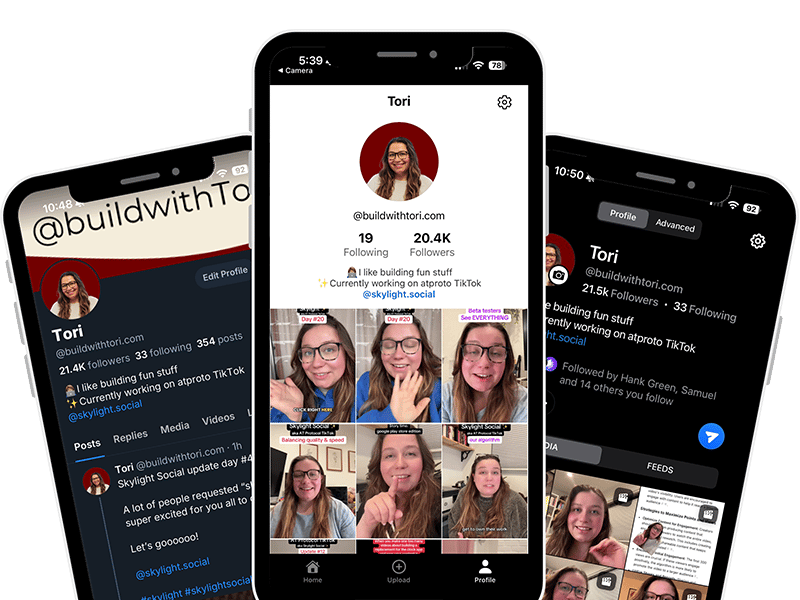
The recent TikTok ban has created space for new entrants like Skylight Social. While their long-term success remains uncertain, what's remarkable is that they could enter the market at all. Just years ago, competing with established social media giants would have seemed nearly impossible for a newcomer.
Skylight's decentralized architecture offers a compelling alternative to traditional platforms. But their biggest challenge may lie in creator economics. TikTok set a high bar with industry-leading creator payouts. I'll be eager to see how Skylight develops an economic model that's equally attractive to content creators while maintaining their decentralized principles.
Their story isn't yet about success but about opportunity. The democratization of technology gave them a chance to compete. Whether they succeed will depend less on technology and more on execution, community building, and creating sustainable economic incentives for creators.
The Transformation In My Approach
This journey transformed how I approach business technology decisions. I've moved from asking "Can we build something unique?" to "How can we apply existing tools in unique ways?"
Success increasingly depends not on who owns the technology but on who can execute with excellence and speed, who can build community around commoditized tools, who can combine existing technologies in novel ways.
I've realized that technology democratization doesn't diminish opportunity. It expands it for those willing to compete on execution rather than exclusivity.
And that realization has changed everything about how I approach business.
Ready to Transform Your Technology Strategy?
Are you still building when you should be buying? Or buying when you should be building? These decisions can mean the difference between market leadership and costly failure.
I once struggled with these same questions. Now I help businesses navigate the rapidly changing technology landscape to make strategic decisions that drive growth without unnecessary investment.
Stop reinventing wheels. Start winning races.
I am currently accepting a limited number of consulting engagements. To inquire about availability or to schedule a consultation, please visit eliandrett.com